


Introduction
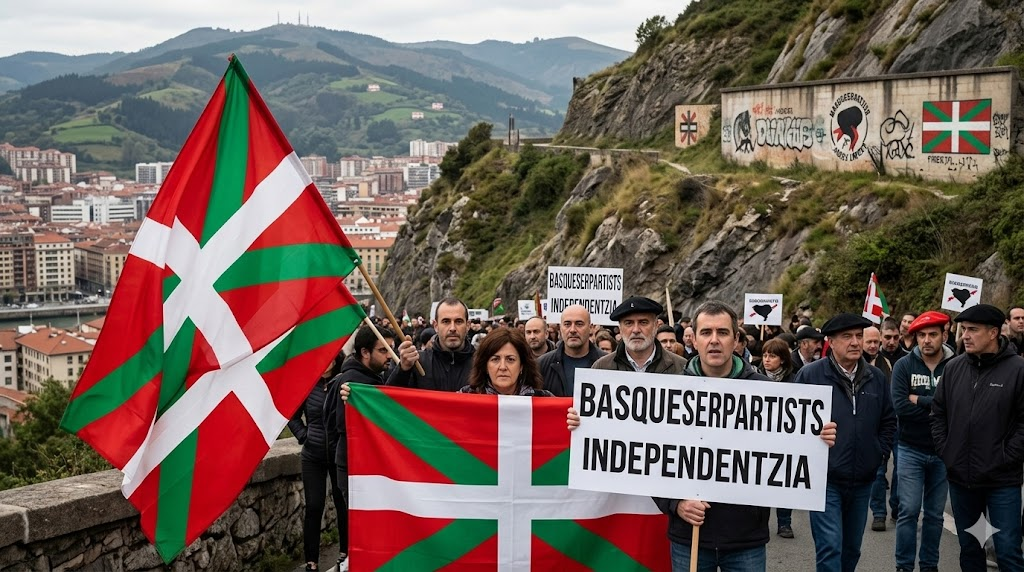
The term basqueserpartists refers to individuals and groups dedicated to the political autonomy or full independence of the Basque Country—a region spanning northern Spain and southwestern France. While often associated with armed struggle, basqueserpartists encompass a wide spectrum of political, cultural, and social activism rooted in centuries of Basque identity, language, and history. Understanding this movement requires examining its historical origins, ideological foundations, evolution through violence and politics, and its current role in democratic society.
The Basque separatist phenomenon is unique in Europe due to its longevity, the intensity of its conflict, and its cultural depth. This article provides a comprehensive exploration of basqueserpartists, their motivations, methods, and modern trajectories, highlighting both historical and contemporary realities.
Historical Origins of Basqueserpartists
Basqueserpartists trace their roots to the broader rise of Basque nationalism in the late 19th and early 20th centuries. The Basque people, who call their homeland Euskal Herria, have long maintained a distinct culture, language (Euskara), and local legal systems (fueros), which historically granted a high degree of autonomy under the Kingdom of Spain. The erosion of these privileges in the 19th century, coupled with centralizing policies of the Spanish and French governments, created political tension and fostered separatist sentiment.
Sabino Arana, a key figure in early Basque nationalism, founded the Basque Nationalist Party (Partido Nacionalista Vasco, PNV) in 1895. Arana emphasized the uniqueness of Basque identity and advocated for complete sovereignty. These early nationalist ideas laid the groundwork for the emergence of basqueserpartists, blending cultural pride with political ambition. Arana’s writings stressed the defense of language, customs, and territorial autonomy, establishing ideological foundations that influenced later generations.
The Franco Era and Radicalization
The Spanish Civil War (1936–1939) and the subsequent dictatorship of General Francisco Franco had profound effects on basqueserpartists. Franco’s regime aggressively suppressed Basque culture, banning the use of Euskara in schools and public life, dissolving cultural organizations, and punishing political dissent. This authoritarian repression did not extinguish separatist sentiment; instead, it radicalized parts of the movement.
In 1959, a group of young nationalists formed Euskadi Ta Askatasuna (ETA, meaning “Basque Homeland and Liberty”), which became the most notorious embodiment of basqueserpartists. Initially focused on cultural defense and minor sabotage, ETA escalated into armed resistance in the 1960s and 1970s, targeting military, police, and political figures. The organization combined nationalist aspirations with Marxist revolutionary ideology, framing independence as both a political and social struggle.
ETA’s early operations were strategic and symbolic. One of the most significant acts was the 1973 assassination of Admiral Luis Carrero Blanco, Franco’s designated successor, which sent shockwaves through Spain and highlighted the political impact of basqueserpartists’ actions. While violent, these actions also reflected deep-rooted grievances over cultural suppression and lack of political representation.
Ideological Diversity Among Basqueserpartists
Not all basqueserpartists were violent. The movement historically comprised a spectrum of approaches, ranging from peaceful political advocacy to armed struggle. While ETA became synonymous with militancy, other groups like Iparretarrak in French Basque territories and Irrintzi cells focused on localized resistance or symbolic actions. There were also factions within ETA itself: some emphasized Basque nationalism alone, while others integrated socialist and anti-capitalist ideologies.
This ideological diversity shaped internal debates over strategy and public messaging. Some basqueserpartists prioritized negotiation, political alliances, and cultural initiatives, while others argued that only armed action could achieve independence. These divisions affected recruitment, international perception, and the sustainability of the movement.
The Era of Violence
Between the late 1960s and early 2000s, basqueserpartists—primarily through ETA—carried out a campaign of bombings, assassinations, and kidnappings. The human toll was significant: more than 800 people were killed, including civilians, law enforcement officers, and political leaders. This violence deeply affected Spanish society and reinforced the perception of basqueserpartists as a militant insurgency.
Despite the intensity of armed struggle, ETA’s actions were strategically linked to political goals. The organization sought to pressure the Spanish government into granting autonomy or independence and to assert Basque identity internationally. However, public opinion in the Basque Country eventually shifted against violence, especially as democratic institutions developed after Franco’s death in 1975. Mass demonstrations for peace reflected growing societal rejection of armed struggle.
Spain’s Democratic Transition and Regional Autonomy
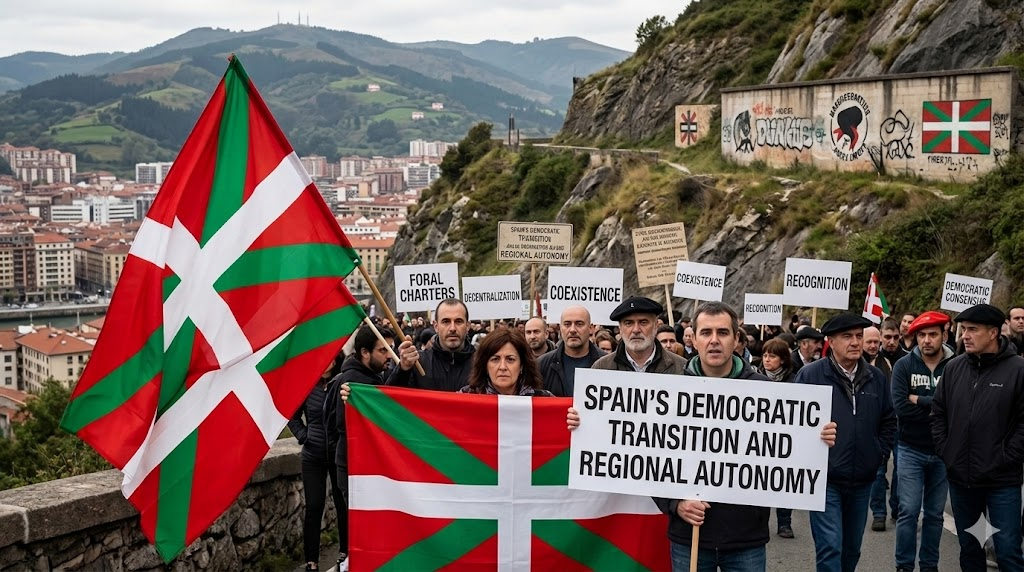
The death of Franco initiated a democratic transition that reshaped the landscape for basqueserpartists. Spain’s 1978 Constitution recognized the right to autonomy for regions, leading to the creation of the Basque Autonomous Community with its own parliament, police, and fiscal powers. While this satisfied some nationalist aspirations, it also created tensions with more radical basqueserpartists who considered partial autonomy insufficient.
The democratic framework enabled non-violent separatist efforts to flourish. Political parties advocating Basque rights could participate openly in elections, while cultural revival initiatives—such as Euskara immersion schools (ikastolas) and media outlets—reinforced Basque identity. These developments gradually reduced support for violent militancy, though ETA continued its campaign into the 1990s.
Counterterrorism and Decline of Armed Struggle
Spanish and French authorities implemented extensive counterterrorism strategies targeting basqueserpartists, including intelligence coordination, arrests of key leaders, and disruption of financial networks. Combined with declining public support, these measures weakened ETA’s operational capacity. By the early 2000s, the organization faced both internal fractures and external pressures.
High-profile ceasefires, peace talks, and sustained law enforcement action culminated in ETA’s permanent ceasefire declaration in 2011. By 2017, ETA had handed over its remaining arm caches, and in 2018 it formally announced its dissolution. This marked the end of one of Europe’s longest-running separatist conflicts, effectively transitioning basqueserpartists from armed insurgency to political activism.
Political Evolution of Basqueserpartists
In the post-ETA era, basqueserpartists largely operate within democratic institutions. Political coalitions such as EH Bildu and parties like Sortu advocate for Basque self-determination through electoral participation rather than violence. These groups focus on protecting cultural heritage, expanding regional governance, and promoting social policies aligned with leftist ideals.
The shift from militancy to politics illustrates the adaptability of basqueserpartists. While armed struggle was once central, contemporary activism emphasizes negotiation, cultural revival, and civic engagement. Electoral successes demonstrate that political legitimacy can replace violence as a means of achieving nationalist objectives.
Cultural Foundations of Basqueserpartists
Culture and language remain central to basqueserpartists’ identity. Euskara, the Basque language, is one of the oldest and most unique languages in Europe. Under Franco, its public use was prohibited, fostering resentment and a sense of cultural survival among Basques. Today, Euskara is taught in schools, promoted through media, and celebrated in festivals, symbolizing both heritage and political continuity.
Folklore, music, traditional sports, and community rituals reinforce collective memory and political consciousness. Basqueserpartists emphasize these cultural markers to maintain group identity and mobilize support for autonomy or independence.
Contemporary Challenges and Opportunities
Today, basqueserpartists face new challenges. Public support for full independence is limited, with many favoring enhanced autonomy within Spain. Economic considerations, globalization, and European Union integration influence regional priorities. Meanwhile, sensitive issues such as the reintegration of former prisoners and reconciliation with victims remain politically significant.
Nevertheless, opportunities exist for peaceful advocacy. Basqueserpartists leverage cultural institutions, social media, and regional governance structures to advance their agenda. Political engagement and civic participation have replaced armed struggle as the primary mode of influence, reflecting a matured approach to separatist objectives.
Lessons from the Basqueserpartist Movement
The history of basqueserpartists offers several lessons for understanding separatist movements globally:
- Cultural Identity Drives Political Action: Language, tradition, and historical memory sustain separatist movements even in the absence of violence.
- Political Adaptability is Crucial: Successful movements evolve strategies, shifting from militancy to peaceful engagement when conditions change.
- Public Support Determines Sustainability: Long-term legitimacy relies on societal backing; without it, armed or extreme measures lose efficacy.
- Reconciliation and Memory Matter: Addressing the human consequences of conflict is essential for societal healing and durable political solutions.
Conclusion
Basqueserpartists represent a multifaceted movement deeply rooted in the Basque Country’s history, culture, and political aspirations. From the early ideological foundations laid by Sabino Arana to the armed campaigns of ETA, and finally to modern political engagement, the evolution of basqueserpartists demonstrates the complex interplay between identity, repression, and democratic opportunity.
The transition from militancy to political activism underscores the movement’s resilience and adaptability. Today, basqueserpartists continue to advocate for autonomy and cultural preservation, reflecting both historical grievances and contemporary priorities. Understanding this movement requires recognizing the profound cultural, political, and social factors that have shaped it for more than a century. Far beyond the headlines of violence, basqueserpartists exemplify how regional identity can drive enduring political action in the modern era.

