


Introduction
In today’s highly connected digital world, fan culture has evolved far beyond simple admiration. Audiences no longer limit themselves to watching performances or listening to music. Instead, they actively participate in shaping and celebrating the content they love. One emerging concept that reflects this transformation is fansqingers.
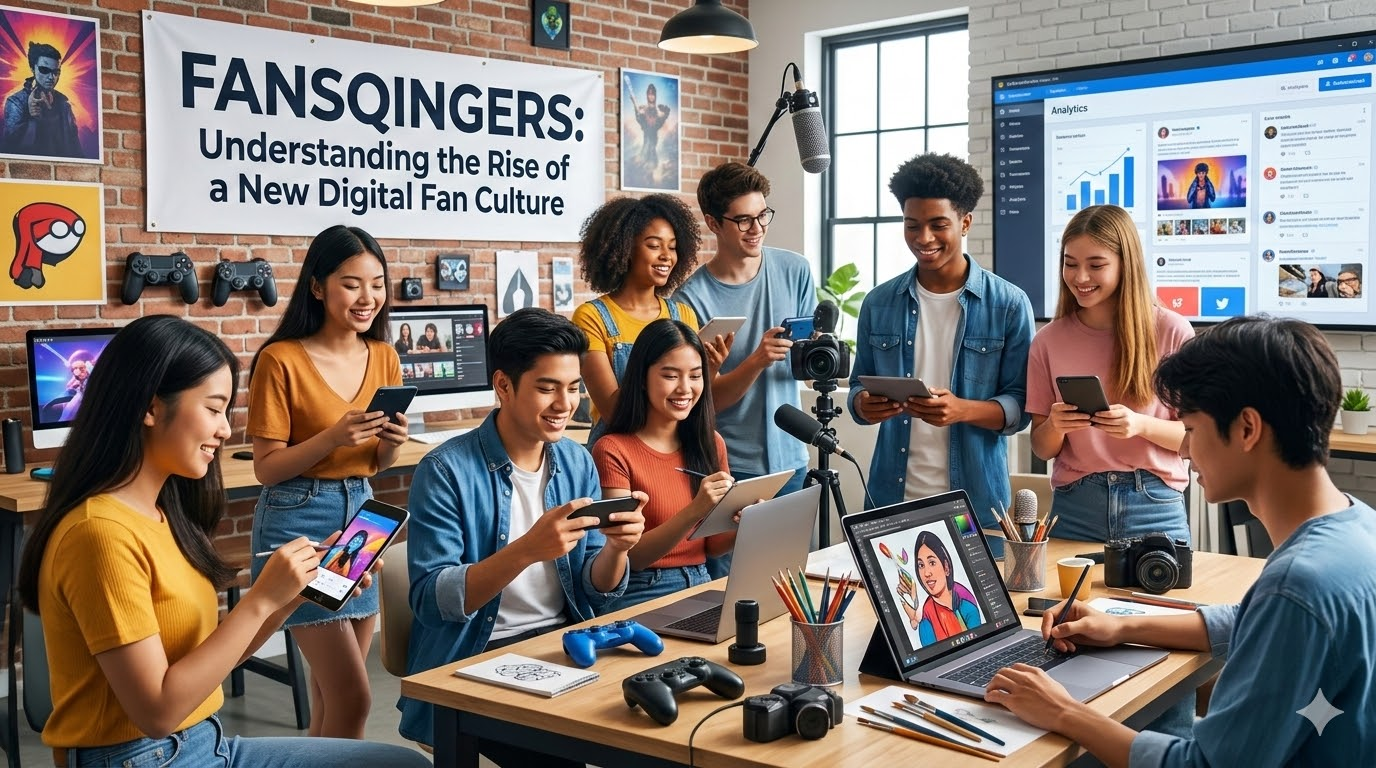
The term fansqingers represents a modern form of engaged fandom in which individuals transform their enthusiasm for music, artists, and creative culture into active participation. Rather than being passive consumers, fansqingers create, interpret, and share content inspired by their favorite artists and cultural movements. Their involvement often includes singing covers, producing fan art, analyzing songs, or building communities that revolve around shared interests.
This shift highlights a broader cultural movement where fans become contributors to the creative ecosystem. The growth of fansqingers demonstrates how technology, social platforms, and creative tools have empowered people to move from audience members to active cultural participants. As a result, the influence of fansqingers continues to expand across music communities, entertainment spaces, and online culture.
Understanding the role of fansqingers provides insight into how modern fan communities operate and why participatory creativity has become such an important force in digital culture.
What Are Fansqingers?
At its core, fansqingers refers to fans who actively express their admiration for artists or creative works through their own artistic or community-driven activities. The word combines the idea of passionate fandom with creative performance and expression.
Fansqingers are not limited to one form of activity. Their participation can take many different shapes depending on their interests, talents, and platforms. Some may focus on singing covers of popular songs, while others create visual art, commentary, or collaborative projects inspired by the music and stories they admire.
What distinguishes fansqingers from traditional fans is their level of engagement. Traditional fans may attend concerts, stream music, or follow artists on social media. Fansqingers go a step further by actively producing content that contributes to the cultural conversation around the artists they love.
This active participation helps expand the influence of artists and introduces new interpretations of their work to wider audiences.
The Evolution of Fan Participation
Fan participation has existed for centuries, long before the internet. In earlier eras, fans expressed admiration through local performances, community storytelling, and reinterpretations of cultural works.
For example, music enthusiasts frequently performed their favorite songs in small gatherings, while theater communities adapted stories and performances for local audiences. These activities reflected a natural human desire to interact with art and share it with others.
However, the modern concept of fansqingers emerged alongside the growth of digital communication. The internet transformed fan participation by removing traditional barriers between creators and audiences.
Today, anyone with a smartphone or computer can record a cover song, create digital artwork, or share commentary about music. Social platforms allow these creations to reach global audiences almost instantly. This technological shift has enabled fansqingers to flourish in ways that were impossible in previous generations.
Key Characteristics of Fansqingers
Active Creativity
The most important characteristic of fansqingers is creativity. They channel their passion for music and entertainment into new forms of expression.
Common examples of fansqinger creativity include:
- Singing cover versions of favorite songs
- Creating instrumental adaptations
- Designing fan art and illustrations
- Producing commentary or analysis videos
- Writing stories inspired by musicians or fictional characters
These activities demonstrate how fansqingers transform admiration into artistic production.
Deep Engagement With Content
Fansqingers tend to explore music and culture in greater depth than the average listener. They analyze lyrics, study musical arrangements, and discuss the cultural meaning behind songs.
This deeper engagement often leads to insightful interpretations that enhance the appreciation of music and art. In many cases, fansqingers uncover hidden layers within songs or performances that casual audiences might overlook.
Community Building
Fansqingers frequently gather in communities built around shared interests. These communities exist on social platforms, online forums, and messaging groups where members discuss artists, share creative work, and collaborate on projects.
Community building is one of the most valuable aspects of the fansqingers movement. Through collaboration and discussion, individuals feel connected to others who share the same passions.
These connections often lead to long-lasting friendships and collaborative creative projects.
Authentic Passion
Unlike many forms of digital content driven primarily by commercial goals, fansqingers are usually motivated by genuine enthusiasm. Their work reflects personal appreciation rather than marketing objectives.
This authenticity often resonates strongly with audiences. Viewers and listeners tend to trust fan-created content because it comes from individuals who genuinely love the subject matter.
How Technology Supports the Growth of Fansqingers
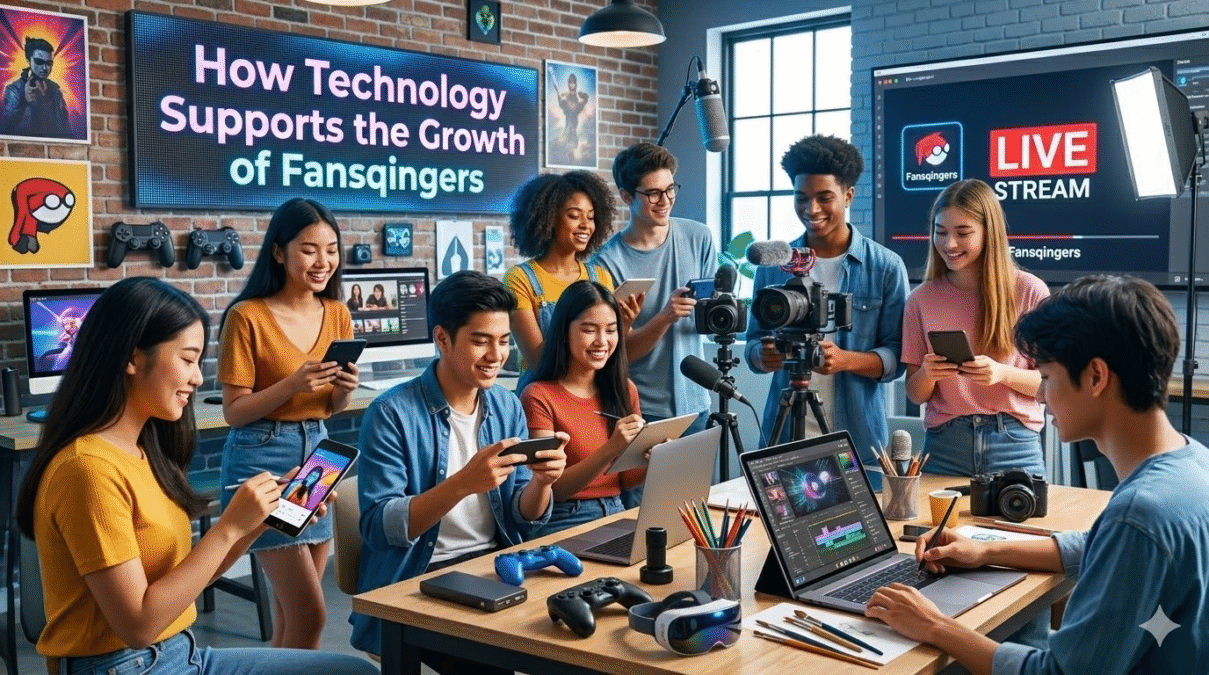
The rapid expansion of fansqingers is closely tied to technological advancements that have made creative expression easier and more accessible.
Affordable Creative Tools
Modern technology has dramatically reduced the cost of creating high-quality content. Smartphones now include powerful cameras, microphones, and editing tools that allow users to produce professional-looking videos and audio recordings.
Music production software, graphic design applications, and video editing programs are widely available and easy to learn. These tools empower fansqingers to experiment with creativity without needing expensive equipment.
Social Media Platforms
Social media platforms have become the primary stage for fansqingers to share their work. Video platforms allow singers to upload cover performances, while visual platforms showcase artwork and digital design.
These platforms also provide opportunities for fansqingers to receive feedback, interact with audiences, and collaborate with other creators.
The interactive nature of social media strengthens fan communities and encourages continuous creative exchange.
Global Connectivity
One of the most remarkable aspects of the digital age is global connectivity. Fans from different countries and cultural backgrounds can now interact instantly.
This global interaction allows fansqingers to share diverse perspectives and creative interpretations. A song performed in one region may inspire a cover version in another country, creating a chain of cultural exchange.
As a result, fansqingers contribute to the globalization of music and entertainment culture.
Fansqingers and Music Culture
Music is one of the most significant areas where fansqingers thrive. Many individuals discover their love for singing, songwriting, or performance through their admiration for established artists.
Cover performances are particularly common among fansqingers. By singing their favorite songs, they develop vocal skills, experiment with musical styles, and gain confidence as performers.
Some fansqingers eventually build substantial audiences for their performances. Their interpretations may introduce songs to new listeners or present familiar tracks in fresh and creative ways.
In addition to performance, fansqingers often analyze music from technical and emotional perspectives. They discuss themes, storytelling elements, and production techniques that contribute to the overall impact of a song.
These conversations enrich the broader music community and deepen appreciation for artistic craftsmanship.
The Role of Fansqingers in Artist Promotion
Although fansqingers primarily create content out of passion, their activities can also benefit artists. Fan-generated content often serves as organic promotion that reaches audiences beyond traditional marketing channels.
For instance, a cover performance or fan-made tribute video can introduce a song to listeners who may not have discovered it otherwise. Similarly, detailed fan analysis can highlight the artistry behind a piece of music, encouraging others to explore the original work.
Many artists appreciate and acknowledge the contributions of fansqingers because they help sustain enthusiasm within fan communities. In some cases, musicians even collaborate with talented fans who began their journey through fan-created content.
Fansqingers Versus Traditional Influencers
Although fansqingers may share similarities with social media influencers, there are important differences between the two.
Traditional influencers typically build their personal brands around lifestyle content, fashion, travel, or product promotion. Their success often depends on maintaining a consistent personal image and engaging in brand partnerships.
Fansqingers, on the other hand, center their activities on shared interests rather than personal branding. Their identity is closely tied to the music, art, or stories they celebrate.
Because of this focus, fansqingers communities often feel more collaborative than competitive. Participants support one another’s creativity and celebrate shared enthusiasm rather than individual popularity.
Challenges Faced by Fansqingers
Despite their positive contributions to digital culture, fansqingers sometimes encounter challenges.
Copyright Considerations
Creating covers or reinterpretations of songs can involve copyright restrictions. Fansqingers must often navigate platform guidelines and licensing rules to ensure their content remains compliant with intellectual property laws.
Online Criticism
As with any form of online content creation, fansqingers may face criticism or negative feedback. Public platforms expose creators to a wide range of opinions, and not all responses are constructive.
Learning to handle criticism while maintaining confidence is an important part of the fansqingers journey.
Maintaining Authenticity
As fan creators gain larger audiences, there may be pressure to produce content consistently or pursue monetization opportunities. Balancing growth with authenticity can be challenging for individuals who originally created content purely for enjoyment.
The Future of Fansqingers
The future of fansqingers appears promising as digital culture continues to evolve. Advances in technology will likely introduce new ways for fans to participate creatively.
Live streaming platforms, collaborative music tools, and virtual reality environments may allow fansqingers to interact with artists and audiences in entirely new ways.
Additionally, the boundary between professional creators and passionate fans may continue to blur. Many successful musicians, performers, and content creators began as enthusiastic fans who shared their interpretations online.
This trend suggests that fansqingers may play an increasingly important role in discovering new talent and shaping future entertainment trends.
Conclusion
The emergence of fansqingers reflects a powerful shift in modern fan culture. Instead of remaining passive observers, fans now participate directly in the creative conversation surrounding music, entertainment, and storytelling.
Through cover performances, artistic interpretations, community discussions, and collaborative projects, fansqingers contribute valuable creativity and enthusiasm to the digital landscape. Their work strengthens fan communities, promotes artists, and expands the ways people engage with culture.
More importantly, fansqingers demonstrate that creativity is not limited to professional studios or established creators. Passionate individuals with dedication and imagination can shape cultural experiences in meaningful ways.
As technology continues to empower fans to share their voices, the influence of fansqingers will likely grow even stronger. Their creativity, authenticity, and community spirit ensure that fan culture remains a vibrant and dynamic force in the modern entertainment world.

