


Introduction to Ping Pong Restaurant Closures UK
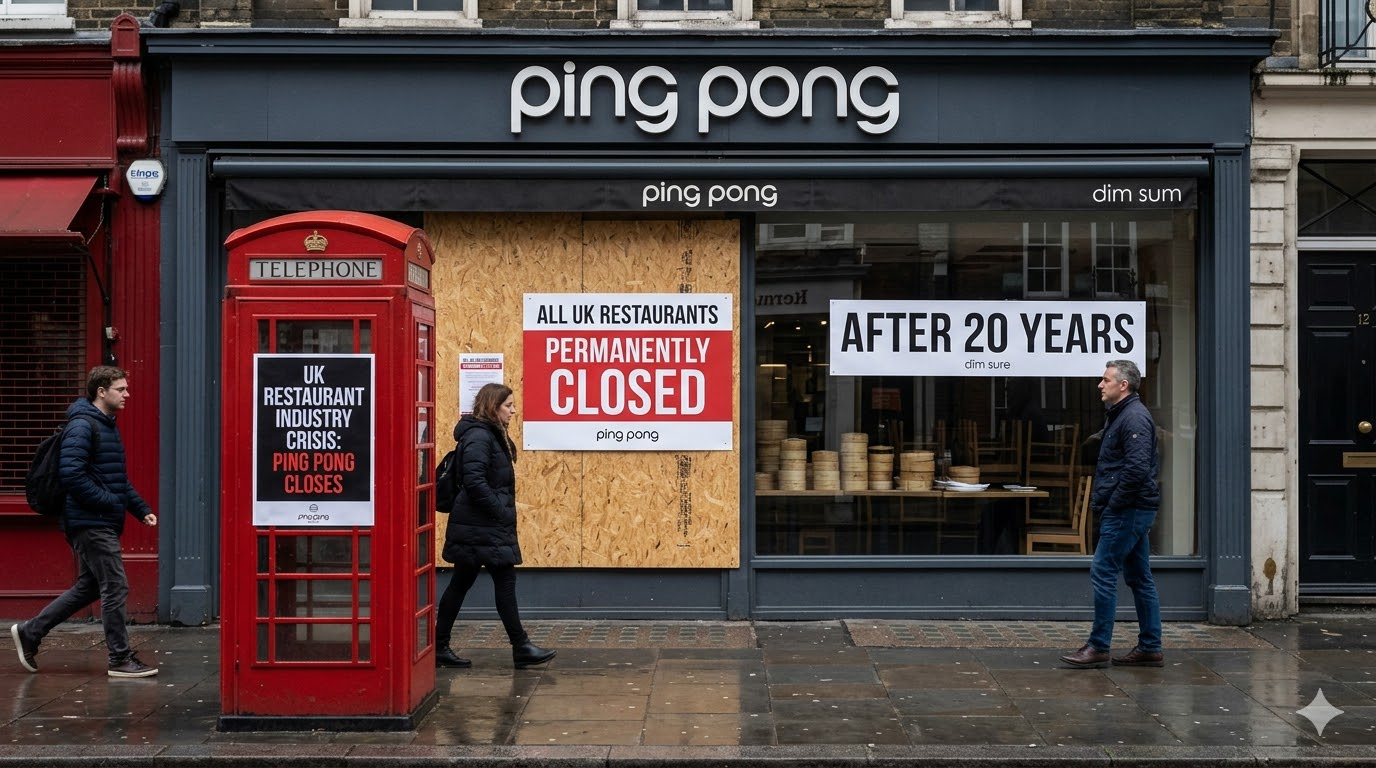
The announcement of ping pong restaurant closures uk has shocked diners across the country. After two decades of serving dim sum and Asian-inspired dishes, the beloved chain has permanently shut all of its UK locations. For many Londoners and visitors, Ping Pong was more than just a restaurant—it was a social hub where friends, families, and colleagues gathered to enjoy lively atmospheres alongside high-quality cuisine. Its sudden disappearance marks a significant moment in the UK dining scene.
Ping Pong restaurant closures uk have also sparked widespread discussion about the challenges facing casual dining chains in the modern era. With rising operational costs, debt accumulation, and changing consumer preferences, even well-established brands can face financial instability. For enthusiasts of dim sum and contemporary Asian dining, the closures represent both an end of a popular culinary experience and a cautionary tale about the difficulties of sustaining restaurant operations in a competitive market.
The Rise of Ping Pong in the UK
Ping Pong first entered the UK market with a vision to modernise traditional dim sum dining. Combining small plates, cocktails, and stylish interiors, the chain quickly became a favourite for city diners seeking vibrant social spaces. Over the years, it expanded across London and other key cities, establishing a presence in bustling areas such as Soho, Southbank, and St Christopher’s Place. Its rise was marked by a unique ability to blend casual dining with high-quality, Instagram-worthy experiences.
The popularity of Ping Pong also reflected broader trends in UK casual dining. Consumers increasingly sought restaurants that offered more than just food—they wanted experiences, ambience, and social engagement. Ping Pong excelled in this respect, offering both culinary innovation and memorable atmospheres. Its influence on the casual Asian dining landscape cannot be understated, which makes the recent ping pong restaurant closures uk a significant loss for the local hospitality sector and loyal patrons alike.
Causes Behind the Closures
Several interconnected factors led to the announcement of ping pong restaurant closures uk. Financial difficulties were at the heart of the chain’s challenges, including declining revenues and mounting debts exacerbated by the COVID-19 pandemic. Extended lockdowns, reduced foot traffic, and increased costs for staff and supplies created a financial strain that the company struggled to overcome. High rent for prime UK locations further amplified the pressure, leaving limited room for sustainable growth.
Competition from other dining establishments also contributed to Ping Pong’s decline. The rise of new Asian restaurants and casual dining chains meant customers had a wider choice than ever before. Failing to innovate quickly and maintain customer loyalty placed additional stress on the business. These combined challenges ultimately forced the company to close all its locations, making the ping pong restaurant closures uk a reflection of the harsh realities within the hospitality industry today.
Timeline of the Closures
The closures of Ping Pong were not entirely sudden, although the final announcements created shock among loyal diners. In the years leading up to 2025, the chain had gradually reduced its footprint, closing less profitable locations and consolidating operations in key areas. By mid-2025, only a few flagship restaurants remained in London, including Soho, Southbank, Bow Bells House, and St Christopher’s Place. These sites represented the final chapter of the brand’s 20-year presence in the UK.
The final closure announcements were made on social media, with the company expressing pride in its legacy and gratitude to customers. Reactions from the public highlighted both nostalgia and disappointment, as many shared stories of celebrations, dates, and social gatherings at the chain. The timeline of ping pong restaurant closures uk underscores the difficulties even successful brands face when financial, operational, and market pressures converge.
Impact on Customers and Communities
Ping Pong restaurant closures uk have left a noticeable gap in the social and culinary landscape of the UK. Regular diners lost not only a dining option but also a popular venue for social interaction. The closures affected local communities, particularly in London, where the restaurants had become iconic gathering spots for groups celebrating special occasions or enjoying casual meals. Employees and staff members were also impacted, facing sudden job loss and uncertainty about their futures in the hospitality sector.
From a cultural perspective, the closures have broader implications. Dim sum and casual Asian dining were staples of London’s diverse food scene, and the absence of Ping Pong reduces options for diners seeking these experiences. Patrons have expressed regret over the loss of a brand that combined quality food with a vibrant atmosphere. The impact of ping pong restaurant closures uk illustrates how the disappearance of a single chain can reverberate throughout both the culinary industry and local communities.
Lessons for the Restaurant Industry
The story of Ping Pong offers valuable lessons for UK restaurants and hospitality businesses. Adaptability and proactive financial management are crucial for long-term survival. Even well-known brands must constantly innovate, monitor market trends, and manage operational costs to avoid collapse. Rising rent, labour costs, and changing consumer behaviour are challenges that require strategic planning and agility.
Ping Pong restaurant closures uk also demonstrate the risks associated with rapid expansion without sustainable structures. Brand recognition alone cannot shield a business from economic pressures or competitive market shifts. For other chains, this serves as a warning that continuous evaluation, innovation, and customer engagement are essential for maintaining relevance in a fast-evolving dining landscape.
What the Future Holds
While ping pong restaurant closures uk mark the end of an era, opportunities exist for the culinary market to adapt. Some former locations may be acquired by other Asian dining chains or independent restaurants, preserving elements of the dim sum culture that Ping Pong popularised. New concepts may emerge, offering fresh experiences for diners who once frequented the chain.
The closures also signal broader trends in UK dining, including the growing demand for convenience, delivery services, and experiential dining. While Ping Pong may no longer operate, its legacy can inspire future restaurateurs. Its emphasis on blending quality food with social experiences provides valuable lessons for sustaining engagement and creating memorable dining environments.
Conclusion
Ping Pong restaurant closures uk represent the end of a beloved brand and an instructive case study for the restaurant industry. Over 20 years, the chain grew, innovated, and shaped UK dining, only to face closure due to financial pressures, competition, and changing consumer behaviour. Its absence leaves a gap in London’s culinary and social scene while offering important lessons for current and future hospitality businesses.
Despite the closures, the influence of Ping Pong remains significant. Diners, employees, and food enthusiasts will remember the experiences the chain offered, and the story of ping pong restaurant closures uk serves as a reminder of the challenges inherent in sustaining even the most iconic dining brands in a dynamic and competitive market.

