


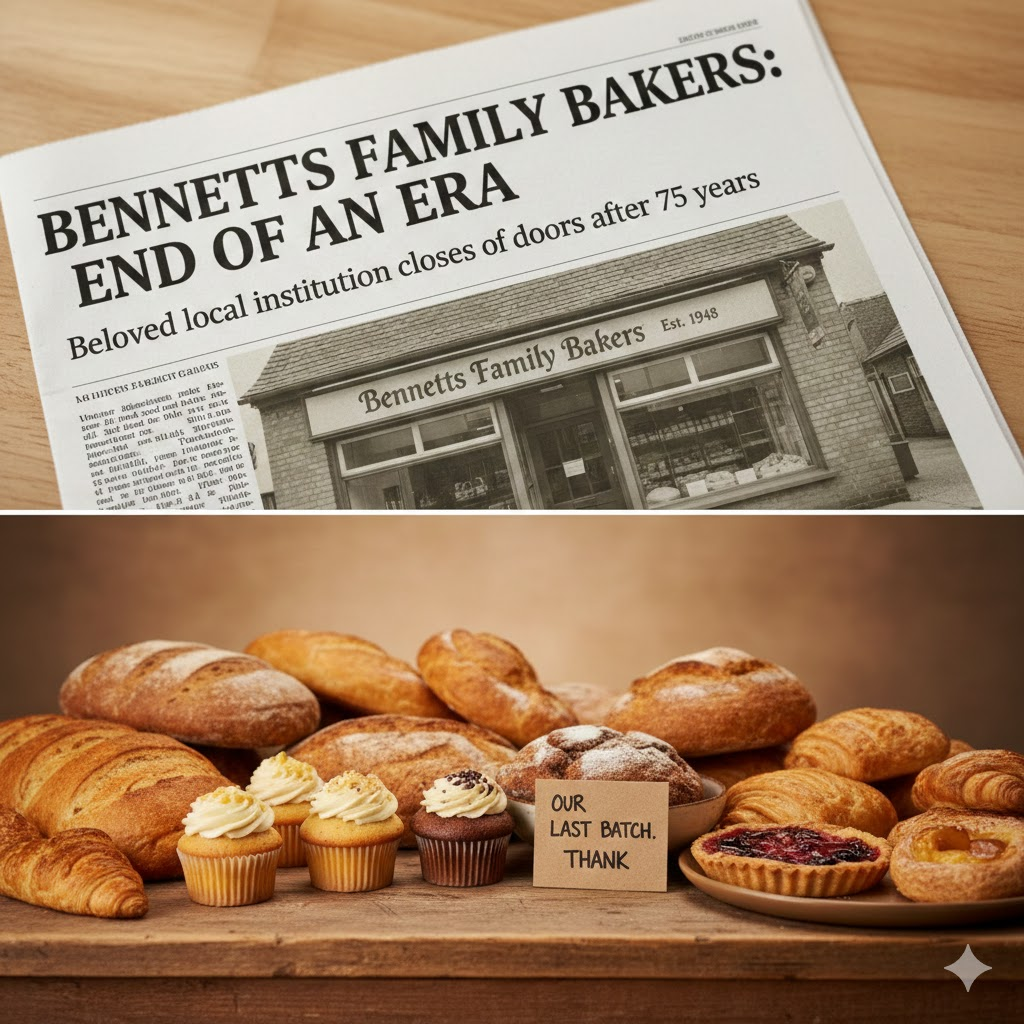
The bennetts family bakers closure in July 2025 marked the end of a beloved community bakery chain in Dorset, England. Known for its fresh bread, pastries, and cakes, Bennetts Family Bakers had been a cornerstone of local life for over 70 years. The closure of the last three shops in Winton, Southbourne, and Parkstone ended a long tradition of family-run baking that spanned generations.
This article explores the history of Bennetts Family Bakers, the reasons behind the bennetts family bakers closure, the impact on the community and staff, broader trends in the bakery industry, and what lessons other family businesses can learn.
History of Bennetts Family Bakers Before the Closure
Bennetts Family Bakers was founded in 1951 by Claude Bennett in Paignton, Devon. Inspired by a family holiday to Dorset, Claude relocated and began a bakery business that would become a staple for local communities. Over the decades, Bennetts Family Bakers grew under the management of Claude’s son Tony Bennett and his wife Margaret, eventually operating 12 shops across Bournemouth, Poole, and surrounding areas.
The bakery was known for its high-quality products, including fresh bread, pastries, cakes, and savory pies. The reputation of Bennetts Family Bakers helped the chain serve generations of loyal customers, making the eventual bennetts family bakers closure a deeply emotional event for the community.
The Timeline of Bennetts Family Bakers Closure
The bennetts family bakers closure occurred in stages throughout 2025. Several shops closed earlier in the year due to operational pressures, with the final three shops shutting on July 5, 2025. These closures marked the end of a 74-year legacy in Dorset and officially concluded the history of this family-run bakery.
The final closures were not abrupt but carefully planned to ensure employees and customers were informed, giving the community time to say goodbye to a beloved bakery brand.
Reasons Behind Bennetts Family Bakers Closure
Several key factors contributed to the bennetts family bakers closure:
1. Lack of Succession
Bennetts Family Bakers was a family business, and the owners, David and Margaret Bennett, faced the reality of no next-generation successor ready to take over. Without a planned transfer of leadership, continuing operations was not feasible.
2. Rising Operational Costs
Like many small bakeries, Bennetts Family Bakers faced increasing costs for ingredients such as flour, butter, eggs, and sugar, along with rising energy and labor costs. These economic pressures made long-term sustainability difficult.
3. Health and Retirement Considerations
Running a bakery is physically demanding. The owners cited personal health concerns and the realities of ageing as reasons for deciding to close, leading to the bennetts family bakers closure.
4. Unsuccessful Sale Attempts
Although efforts were made to sell the business, no viable buyers or investors were found, leaving closure as the only option.
Impact of Bennetts Family Bakers Closure on the Community
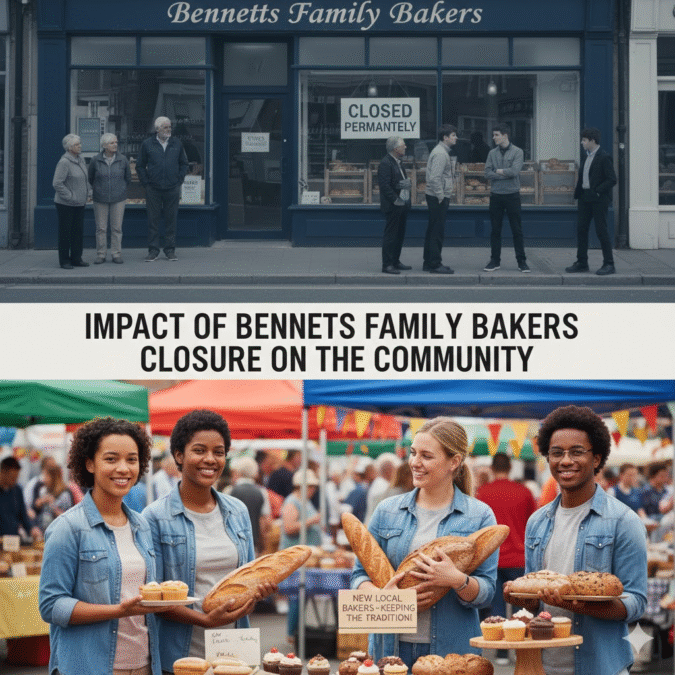
The bennetts family bakers closure affected both customers and staff. Many locals expressed sadness online and on social media, sharing fond memories of childhood visits, weekly shopping routines, and family celebrations with Bennetts products.
Employees who had worked for years at the bakery suddenly faced job loss. Moreover, the high street locations that Bennetts occupied may experience decreased foot traffic, affecting surrounding businesses.
Industry Perspective: Traditional Bakeries in Decline
The bennetts family bakers closure is part of a wider trend affecting independent bakeries across the UK. Competition from large supermarket chains, online delivery platforms, and automated mass production has made it difficult for small, family-run bakeries to survive. Industry studies suggest that 15% of independent bakeries in the UK have closed in recent years due to economic pressures and lack of succession planning.
What Happens Next for Bennetts Family Bakers Former Sites?
As of early 2026, there are no official plans to reopen the former Bennetts Family Bakers shops. Possible futures for the sites include:
- New bakery brands or cafes
- Independent food retailers
- Conversion into non-food retail or hospitality businesses
These options will likely depend on local demand and high street trends.
Lessons from Bennetts Family Bakers Closure
The bennetts family bakers closure offers valuable lessons for other family-run businesses:
- Plan for Succession – Ensure the next generation is ready to lead the business.
- Adapt to Market Changes – Modern consumers expect convenience, innovation, and online engagement.
- Manage Costs Carefully – Operational costs can threaten long-term sustainability.
- Value Community Support – Loyal customers are essential, but not sufficient to ensure survival.
Frequently Asked Questions (FAQ) About Bennetts Family Bakers Closure
1. When did Bennetts Family Bakers officially close?
The last shops closed on July 5, 2025, marking the end of 74 years of trading.
2. Why did Bennetts Family Bakers close?
The closure was due to retirement, health concerns, lack of a successor, and rising operational costs.
3. Was the bakery financially struggling?
While not bankrupt, tight margins and rising expenses made long-term sustainability challenging.
4. Was there a sale or takeover of the business?
Attempts to sell or find a buyer were unsuccessful, leading to the bennetts family bakers closure.
5. Will Bennetts reopen under a new name?
Currently, there are no plans to reopen any of the shops under new management.
Conclusion
The bennetts family bakers closure represents more than a business ending; it marks the loss of a community institution that served generations in Dorset. From its founding in 1951 to the final day in 2025, Bennetts Family Bakers provided quality baked goods, employment, and a hub for local communities.
While the doors are now closed, the memories and impact of Bennetts Family Bakers will live on in the hearts of its loyal customers and the wider Dorset community. The bennetts family bakers closure reminds us of the challenges faced by traditional family-run businesses and the importance of succession planning, adaptation, and community engagement in ensuring long-term survival.

