


Introduction
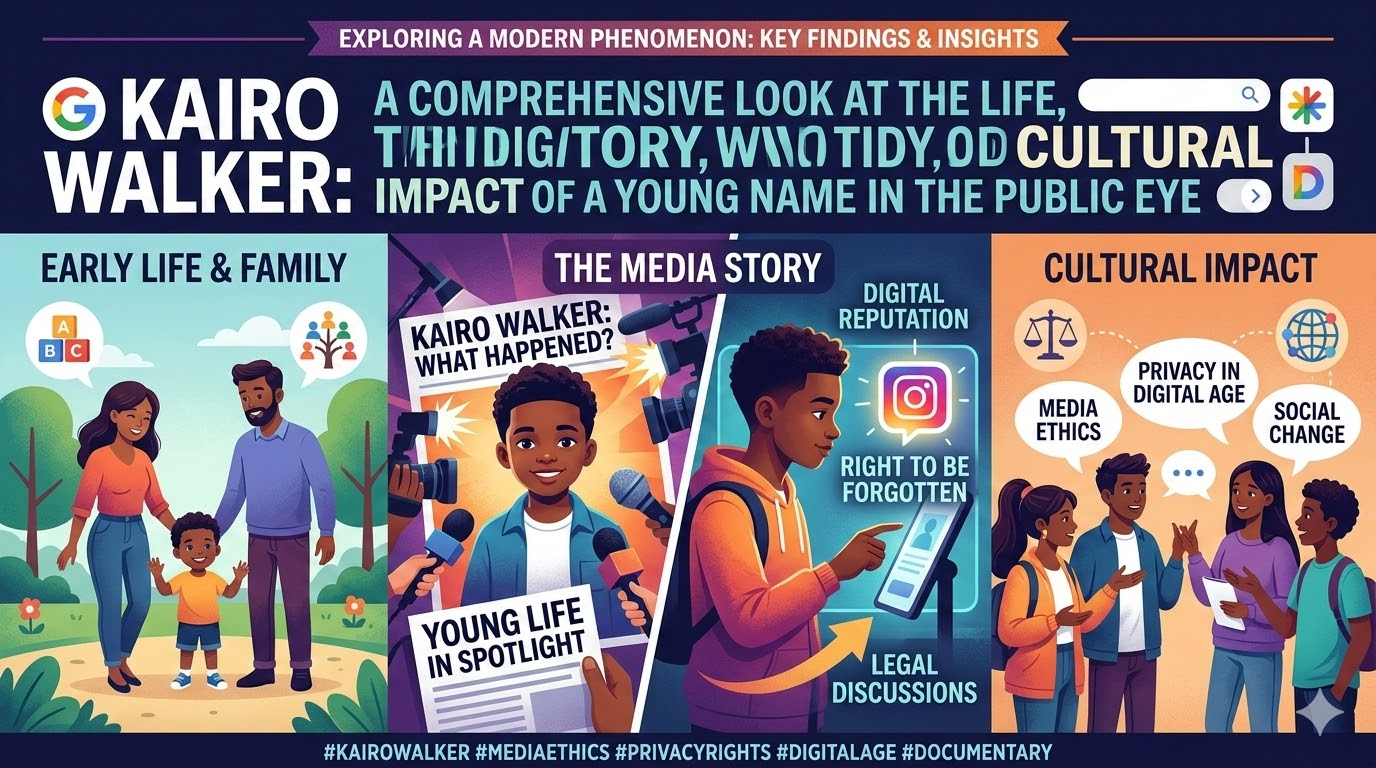
The name Kairo Walker has become widely recognized in the public sphere not because of his own actions but because of the personal story of his birth and the high‑profile nature of his family. Since his arrival in 2020, Kairo’s name has been mentioned across news outlets, social media conversations, and popular culture discussions. As a result, many people seek to understand who he is, how his name became known, and what his story represents within the broader landscape of media, celebrity culture, and family dynamics. This article offers a detailed and thoughtful examination of Kairo Walker—not just as a name in headlines, but as a young child whose early life became part of a larger narrative shaped by public interest, media scrutiny, and the realities of modern fame.
In crafting this article, the goal is to provide a clear, balanced, and fact‑based picture that respects both the public curiosity and the personal dimension of a child living at the intersection of celebrity and family privacy. Rather than repeating superficial details, this analysis explores the background, implications, and cultural context surrounding Kairo’s story. We will examine his family, the circumstances that brought his name into public attention, how media coverage shaped public perception, and what his early years may signal about the experiences of children connected to public figures.
Early Life and Background of Kairo Walker
Kairo Walker was born in April 2020 to media personality Lauryn Goodman and professional footballer Kyle Walker. His birth became publicly known because it unfolded amidst attention around his father’s personal life. At the time, Kyle Walker was among the most recognizable footballers in England, known for his role in elite professional football, including appearances for major clubs and the England national team.
From the moment his birth was revealed, Kairo found himself in the midst of intense media interest. Unlike many children who grow up out of the spotlight, his name was widely reported because of who his parents are, particularly his father’s prominence in sport. For many, learning about his existence began with headlines or commentary—details that focused more on the adults and circumstances than on Kairo as a child.
His mother, Lauryn Goodman, chose the name “Kairo” thoughtfully. She later explained that the name was inspired by Cairo, the capital of Egypt, and influenced by global media culture. The unique spelling and choice of name reflect personal meaning rather than convention, and this detail became part of the wider narrative as people discussed and shared his name in various contexts.
Though still very young, Kairo’s identity began shaping in public view, and understanding his early life requires appreciating how his name became known before he could form memories of his own.
Family Context: Parents and Personal Dynamics
To understand why Kairo Walker became a public figure from infancy, it is important to examine the family context that surrounded his birth.
Kyle Walker: A Career in Football
Kairo’s father, Kyle Walker, is one of the most accomplished right‑backs in modern English football. Known for his exceptional pace, tactical intelligence, and athleticism, Walker has played at the top level for both club and country. His career includes domestic titles, international caps, and recognition as a key contributor on the field.
For fans of football, Walker is a familiar name with a reputation built over years of performance, hard work, and visibility in one of the sports most globally followed arenas. As a result, any personal development associated with him—especially involving family situations—naturally attracted attention.
Lauryn Goodman: Motherhood and Media Presence
Lauryn Goodman, Kairo’s mother, is known in her own right, having built a presence in media and public discussions about lifestyle, parenting, and personal experiences. Unlike many parents of high‑profile athletes, Goodman has been more communicative about her family life, offering insights through social platforms and media engagements.
Her willingness to speak openly about her child’s life, interests, and development contributed to the public recognition of Kairo’s name. Rather than remaining silent, she navigated media interest with a balance of transparency and protective discretion.
The Circumstances Around Kairo’s Birth
When news broke that Kyle Walker had fathered a child with Lauryn Goodman, the story quickly became widely discussed. This was not simply a celebrity baby announcement; it intersected with conversations about relationships, public image, and personal responsibility. Given Walker’s status as a professional athlete and the ongoing media interest in sports figures, the story was covered extensively by news outlets and debated across social media.
Without delving into speculation, the key point is that the public learned about Kairo Walker not because he chose a public life, but because the circumstances of his birth involved two adults whose lives were already under public scrutiny. As such, his name entered cultural awareness early.
Media Coverage and Public Attention
The way the media reported on the story of Kairo Walker played a significant role in cementing his name in public knowledge. Coverage often emphasized the adult context—discussing the actions of his parents, especially in relation to Kyle Walker’s personal life and professional image.
Headlines and Narrative Framing
Many news articles highlighted the timeline of events, the reactions of those involved, and the broader implications for the individuals’ public reputations. This type of framing placed the child’s existence at the center of an adult narrative, often overshadowing any focus on Kairo himself.
This pattern is not unique to Kairo; it reflects a common trend in how media handles stories involving the children of famous individuals. Rather than portraying them as independent people, initial coverage tends to link them directly to the actions and controversies of their parents. As a result, Kairo Walker became known largely as “the son of” rather than for any actions of his own.
Social Media and Public Interaction
Social media amplified the reach of the story, allowing millions of viewers to share opinions, commentary, and memes. This phenomenon illustrates how modern media coverage goes beyond traditional headlines to become a participatory cultural moment. People who might never follow sports news began to recognize the name Kairo Walker because of trending topics on platforms such as Twitter, Instagram, and TikTok.
The challenge in this environment is that public commentary often lacks nuance. Opinions range widely, and not all of them consider the privacy and dignity of the individuals involved—especially a young child who has no control over his public identity.
The Shift to Personal Narratives
Over time, media attention shifted slightly as Lauryn Goodman shared more about life with her children. Rather than focusing purely on controversies, some reports began to highlight everyday moments—photos of Kairo playing, discussions of his interests, and reflections from his mother about raising him.
This evolution marked a subtle but meaningful change: the narrative began to humanize Kairo Walker as a child growing up, rather than a symbolic figure in an adult story.
Growing Up in the Public Eye
Though still a young child, Kairo’s experience so far illustrates how children connected to public figures can grow up under an unusual spotlight. This dynamic creates both opportunities and pressures.
Early Interests and Influences
According to his mother’s public comments, Kairo has shown a passion for football from a young age. He enjoys the sport, plays actively, and often expresses dreams of becoming a footballer himself. For many children of professional athletes, exposure to the sport opens doors to early skill development and appreciation, even if their futures remain unwritten.
It is important to emphasize that at this stage, these interests are simply reflections of a normal childhood influenced by family environment. Regardless of who his father is, Kairo’s engagement with sports is consistent with many children raised in households where athletic activity is valued.
The Balance Between Privacy and Visibility
Parenting a child who is known in public spaces presents unique challenges. For Kairo, maintaining a sense of normalcy amidst ongoing interest requires careful navigation by his caregivers. This includes decisions about what to share publicly, how to protect his personal experiences from invasive commentary, and how to ensure that he grows up with a stable sense of identity outside of headlines.
Many parents in similar situations choose to limit exposure, avoiding frequent public posts or media engagements. In Kairo’s case, while his mother has shared aspects of their life, she has also emphasized boundaries and the importance of family privacy.
Childhood Beyond the Headlines
Despite the attention, Kairo is still a child who experiences life through everyday moments: playing with toys, exploring activities, learning, and growing. The human dimension of his life remains separate from the media narrative that brought his name attention.
This separation is key to understanding who Kairo Walker truly is: not merely a name in news reports, but a young person whose early experiences include love, family, and exploration—just like millions of other children around the world.
The Broader Cultural Significance
The story of Kairo Walker invites a deeper examination of how society engages with celebrity culture, family narratives, and the ethics of public attention. Several broader themes emerge from his story.
Celebrity Culture and Family Focus
Modern media often extends its gaze beyond professional achievements to include the personal lives of famous individuals. This includes relationships, parenthood, and family developments—areas that historically remained private.
The heightened interest in these dimensions reflects a shift in public consumption: audiences seek not just performance or achievement but personal narratives that feel relatable, dramatic, or emotionally charged.
While this fascination can humanize public figures, it can also blur boundaries between public and private life, especially when children are involved.
Privacy, Empathy, and Public Responsibility
When stories involve children, questions of privacy and compassion naturally arise. Does the public have a right to know personal details about a child’s life merely because of their parents’ fame? How can media coverage respect dignity while satisfying audience curiosity?
These are complex questions without simple answers, but the conversation itself is valuable. It encourages audiences and media professionals alike to reflect on the impact of publicity on real lives—particularly young ones who did not choose public attention but are nonetheless affected by it.
Normalizing the Humanity Behind the Headlines
By exploring the story of Kairo Walker, we are reminded that behind every name in a headline is a human being with emotions, relationships, and personal development. A child’s identity should not be reduced to controversy or speculation, nor should public recognition overshadow their right to grow with dignity.
As cultural consumers, recognizing this humanity helps shape more thoughtful engagement with media narratives and fosters empathy for individuals whose lives intersect with public interest.
Looking Ahead
At the time of writing, Kairo Walker remains a young child with full life ahead of him. What the future holds—whether in sport, public life, privacy, or personal pursuits—is unknown. Children change, grow, and eventually choose their own paths, often independent of the circumstances that brought them initial attention.
For now, understanding Kairo’s story means acknowledging both the public narrative that made his name familiar and the personal reality of a child experiencing life day by day.
Whether he becomes a professional athlete, pursues a different passion, or simply enjoys anonymity as he grows older, his early years offer lessons about media culture, family experiences, and the ways society engages with stories involving children of public figures.
Conclusion
The name Kairo Walker stands at the intersection of celebrity culture, media attention, and personal story. Born into public awareness because of his parents and the circumstances surrounding his birth, he became a recognizable name not through his own choices but through the world’s curiosity.
This comprehensive look at his background, early life, family context, and cultural significance reveals a story that goes beyond headlines. While the public narrative has often focused on adult actions and commentary, the human element of Kairo’s life—his interests, his growth, and his experience as a child—remains central.
Understanding the story of Kairo Walker involves balancing public interest with empathy, recognizing media influence, and acknowledging the realities of growing up in a media‑saturated world. Ultimately, this article aims to offer a complete, fact‑based, and thoughtful account that honors both public curiosity and the personal dimension of a young life unfolding beyond the spotlight.

