


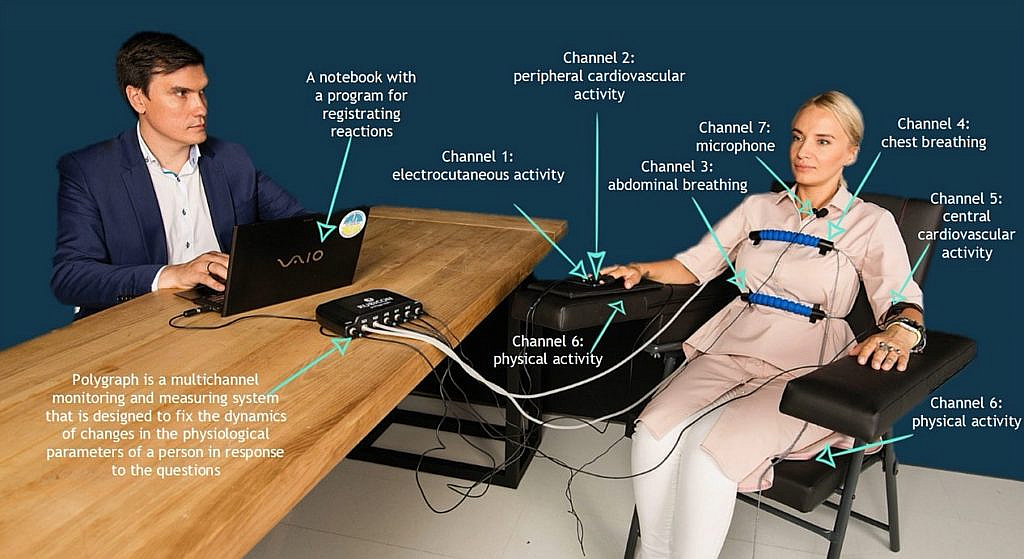
Let’s be honest—when most people hear “polygraph test,” images of crime shows or job screenings probably pop into their head. There’s something instantly dramatic about it: a machine tracking your heartbeat, your breathing, your sweat, and somehow—magically—telling the truth. But here’s the thing: polygraphs aren’t magical, and understanding them is more about human psychology than technology.
I remember the first time I was asked if I’d ever take one. I laughed it off at first. “Me? Lie detector?” But the more I read, the more I realized just how complex it really is—and how surprisingly common it is in workplaces, government positions, and even some legal situations.
The Basics: What a Polygraph Test Measures
Most people think a polygraph test just reads lies. That’s not exactly true. What it actually does is measure physiological responses that might indicate stress. Your heart rate spikes, your breathing changes, your palms sweat—these are all signals the machine records.
Here’s a mini scenario: imagine you’re in a quiet room, and the examiner asks if you’ve ever taken office supplies home without permission. You might think, “I didn’t, so no problem.” But your heart might race anyway because the question is stressful, or because you’re nervous about being judged. The polygraph picks up the stress, not the theft itself. That’s why results aren’t 100% reliable.
The key takeaway is that a polygraph is measuring your body’s reactions, not your honesty. And our bodies can react for all sorts of reasons: anxiety, fear of authority, even just a poor night’s sleep.
How the Test Usually Works
If you’ve never been through one, it helps to picture the process. You sit in a chair, sensors get clipped to your fingers and chest, and sometimes a cuff goes around your arm. You’ll be asked a mix of relevant and control questions. The control questions are usually innocent but designed to get a reaction, like, “Have you ever told a lie?” or “Have you ever broken a rule?”
The examiner watches for patterns. It’s less about any single spike and more about how your body reacts across different types of questions. Some people swear they can trick it—thinking calm thoughts, controlling their breathing—but examiners are trained to notice when someone is trying to manipulate results.
I once knew someone who went through a polygraph for a government job. They told me afterward, “I was sweating like crazy over questions that weren’t even about me. I couldn’t believe how nervous I was.” That nervous energy isn’t unusual—it’s literally built into the human fight-or-flight response.
Common Misconceptions
Let’s clear the air on a few things most people get wrong.
Myth #1: A polygraph can read your mind. Nope. It doesn’t know your thoughts—it just tracks your body.
Myth #2: It’s foolproof. Far from it. Studies suggest accuracy ranges widely. Some research puts it around 70–90%, depending on the examiner and the situation. That’s better than a coin toss, but not perfect.
Myth #3: It’s only for criminals. Actually, polygraphs show up in all sorts of settings: pre-employment screenings for government roles, security clearances, even internal company investigations. It’s more common than most people think.
Here’s a practical tip: if you ever face one, don’t panic. Most people’s natural reactions are interpreted as truth signals. Staying calm and clear-headed usually works better than trying mental tricks or overthinking the process.
Why People Fear the Test
Honestly, it’s the uncertainty that gets people. You can know you’re telling the truth, but your body might betray you anyway. Imagine sitting there, chest tight, palms sweaty, watching your own stress chart climbing on a screen. It’s intimidating.
Even examiners will admit that anxiety itself is the biggest hurdle for most test-takers. People fear the worst-case scenario: “I’ll fail and look guilty!” When in reality, the polygraph isn’t out to get you—it’s just doing its job.
When Polygraphs Can Actually Be Useful
Despite the myths, polygraphs can be practical tools. For investigators, they provide a starting point for deeper questioning. A spike in reaction doesn’t prove guilt, but it can highlight areas worth exploring further.
In the workplace, polygraphs are sometimes used for security-sensitive jobs—think intelligence, law enforcement, or positions where safety is critical. They’re not perfect gatekeepers, but they offer an additional layer of screening.
Here’s an example: a security firm I read about uses polygraphs to cross-check an employee’s story after a minor theft is reported. It’s less about catching liars on the spot and more about encouraging honesty and seeing if someone’s story holds under scrutiny.
Limitations You Should Know
Here’s the reality check: polygraphs are not admissible in court in many places for a reason. False positives happen. People with certain medical conditions or high baseline anxiety might show responses that look deceptive. And some individuals are naturally better at masking stress than others.
You can even have situations where someone guilty passes without much trouble because they’re calm under pressure—or someone innocent “fails” because they’re nervous. That’s why relying solely on a polygraph for life-changing decisions is risky.
One interesting fact: a polygraph doesn’t work well on people who are sociopathically unbothered by lying. If your stress levels don’t spike when lying, the machine has nothing to measure.
How to Prepare Without “Cheating”
Let’s be real: people often look for tricks online—ways to beat the polygraph. Honestly, that’s a bad idea. Most tips are myths, and trying to manipulate it can make you look suspicious.
Instead, the best preparation is simple: get a good night’s sleep, eat something light, and practice staying calm. Think of it as a conversation with someone who wants to understand your story. Breathing exercises help, and mentally rehearsing your answers can reduce nerves.
Even tiny adjustments help: avoid caffeine that morning, sit in a relaxed posture, and remember that small movements or involuntary reactions are normal. The examiner expects them.
The Human Side of Polygraphs
Here’s what fascinates me: polygraphs are as much about psychology as they are about machines. Humans are wired to react to perceived scrutiny, and the polygraph taps into that. It’s a reminder that stress, honesty, and fear are all tangled together.
I’ve spoken to people who passed, people who failed, and those in between. Everyone has a story about how their body “lied” for them or against them. It’s almost poetic—technology trying to decode the most unpredictable machine of all: a human being.
Takeaways
So, what’s the bottom line? Polygraphs are tools, not truth-telling oracles. They measure stress, not lies. Your reactions can be influenced by everything from nervousness to illness to the way a question is phrased.
If you ever face one, don’t sweat it. Focus on staying calm, being honest, and understanding that a polygraph is just one piece of a much bigger puzzle. It’s not a test of morality—it’s a window into your body’s responses under pressure.
The next time you see one on TV, remember: it’s more about science, psychology, and patterns than lasers catching lies. And maybe, just maybe, knowing that takes away half the stress before you even sit down.

