


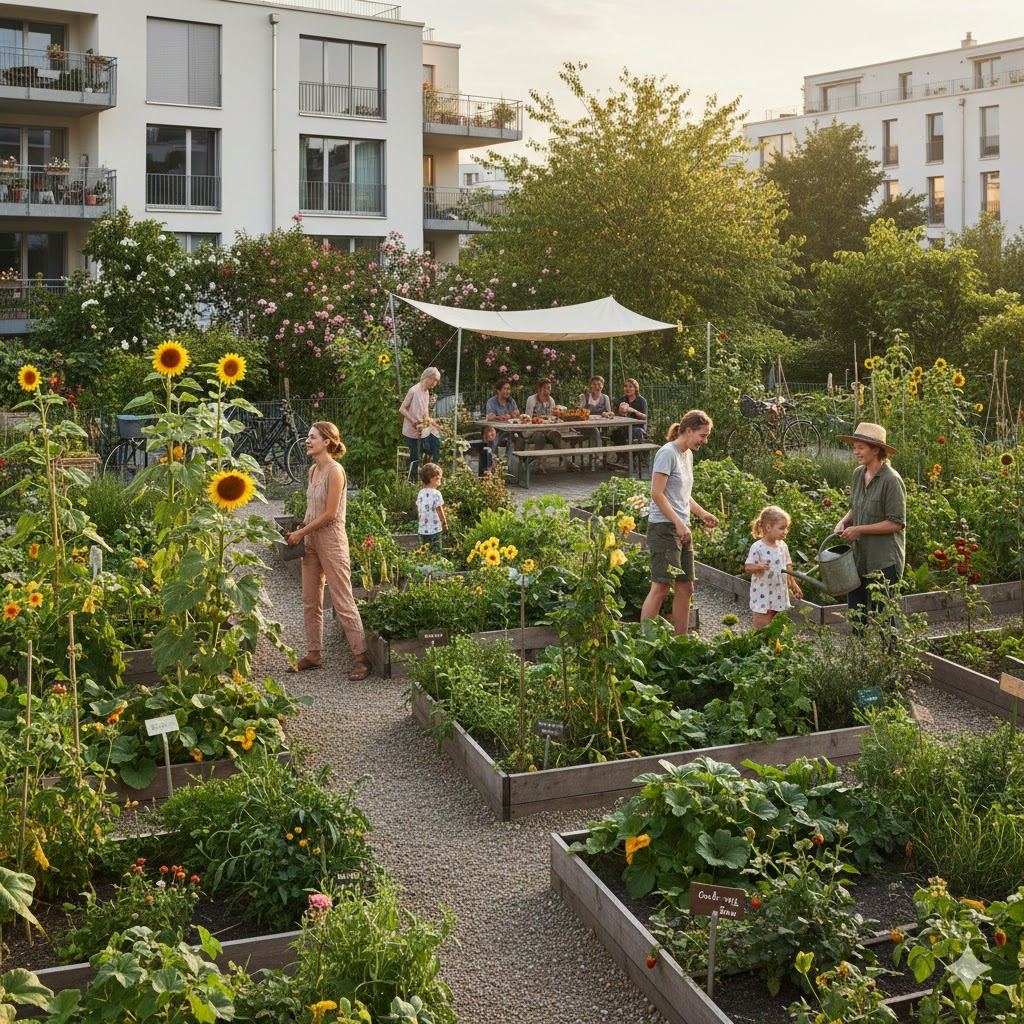
Zuhagarten is more than just a name—it represents a modern, intentional approach to gardening that blends aesthetics, sustainability, and everyday usability. As outdoor spaces become an extension of our homes, concepts like Zuhagarten are gaining attention for their balanced mix of design and function. Whether you’re working with a small backyard, a rooftop, or a larger landscape, Zuhagarten focuses on making green spaces feel personal, practical, and timeless.
At its core, Zuhagarten embraces the idea that a garden should serve the people who use it. Instead of rigid layouts or purely decorative designs, it prioritizes comfort, adaptability, and long-term enjoyment. This philosophy appeals to homeowners, designers, and gardening enthusiasts who want outdoor areas that evolve naturally rather than feel over-engineered.
In this article, we’ll explore what Zuhagarten stands for, how it influences garden design, and why it resonates with modern lifestyles. From layout planning to plant selection and maintenance mindset, Zuhagarten offers a refreshing way to think about outdoor living.
The Philosophy Behind Zuhagarten
Zuhagarten is rooted in the belief that gardens should feel lived-in, not staged. Unlike traditional formal gardens that demand strict symmetry and constant upkeep, Zuhagarten favors organic shapes, flexible spaces, and a relaxed atmosphere. The goal is to create environments that invite people to spend time outdoors without feeling pressured to maintain perfection.
Another defining aspect of the Zuhagarten philosophy is balance. This includes balancing nature with structure, beauty with function, and creativity with practicality. A Zuhagarten-inspired space might combine wildflower patches with clean walkways or mix native plants with subtle design elements like stone borders or wooden seating areas. Everything has a purpose, even if it looks effortless.
Finally, Zuhagarten places strong emphasis on sustainability. This doesn’t mean sacrificing style or comfort; instead, it encourages smart choices such as drought-resistant plants, efficient watering systems, and materials that age gracefully. Over time, a Zuhagarten becomes better, richer, and more character-filled rather than worn out.
Zuhagarten Design Elements and Layout Ideas
When it comes to design, Zuhagarten doesn’t follow a single template. Instead, it adapts to the space available and the lifestyle of the user. One of the most common design approaches is zoning—dividing the garden into functional areas like seating, planting, pathways, and open space. These zones are connected naturally, often through curved paths or gradual transitions rather than sharp lines.
Plant selection in Zuhagarten designs is intentional but relaxed. Rather than filling every inch with decorative plants, the focus is on choosing species that thrive in the local climate and complement each other visually. Layering is key: taller plants provide structure, mid-level shrubs add depth, and ground covers soften the overall look. This layered approach creates visual interest throughout the year.
Hardscape elements also play an important role. Materials like natural stone, reclaimed wood, and textured concrete are commonly used because they blend well with greenery and age beautifully. In a Zuhagarten, these elements don’t overpower the plants—they support them. Seating areas, pergolas, and garden walls feel integrated rather than added as afterthoughts.
Why Zuhagarten Fits Modern Lifestyles

Modern life is busy, and Zuhagarten acknowledges that reality. One of its biggest strengths is that it doesn’t demand constant attention. By focusing on resilient plants and thoughtful design, a Zuhagarten remains attractive even with minimal maintenance. This makes it ideal for people who want a beautiful garden without dedicating every weekend to upkeep.
Zuhagarten also aligns well with the growing desire for wellness-focused living. Spending time in thoughtfully designed green spaces has proven benefits for mental and physical health. A Zuhagarten encourages slow moments—reading outdoors, sharing meals, or simply enjoying fresh air. It’s not just a garden; it’s a retreat built into everyday life.
Additionally, Zuhagarten adapts easily to changing needs. Families grow, routines shift, and outdoor spaces should be able to change along with them. Because Zuhagarten designs prioritize flexibility, they can be updated gradually without major overhauls. A play area can become a quiet seating zone, or a vegetable patch can evolve into a flower garden over time.
Maintaining a Zuhagarten the Smart Way
Maintenance in a Zuhagarten is less about strict schedules and more about observation. Instead of forcing plants into unnatural growth patterns, this approach encourages gardeners to work with nature. Pruning is done to support plant health, not just appearance, and seasonal changes are embraced rather than fought.
Soil health is a major priority in Zuhagarten maintenance. Healthy soil reduces the need for fertilizers and improves plant resilience. Composting, mulching, and minimal soil disturbance are common practices that help maintain long-term fertility. Over time, this creates a self-supporting ecosystem that requires less intervention.
Water management is another essential aspect. Zuhagarten designs often incorporate efficient irrigation methods such as drip systems or rainwater collection. This not only conserves water but also ensures plants receive consistent moisture. The result is a garden that looks lush without being wasteful or difficult to manage.
The Long-Term Value of Zuhagarten
One of the most appealing aspects of Zuhagarten is its long-term value. Instead of chasing trends, it focuses on timeless design principles that age well. As plants mature and materials weather naturally, the garden develops character rather than losing appeal. This makes Zuhagarten a smart investment for homeowners looking for lasting beauty.
From a property perspective, a well-designed Zuhagarten can significantly enhance curb appeal and usability. Buyers increasingly value outdoor spaces that feel intentional and low-maintenance. A Zuhagarten communicates care, quality, and thoughtful design without feeling overly curated or artificial.
Ultimately, Zuhagarten is about creating outdoor spaces that feel authentic. It respects nature, supports daily life, and grows more meaningful over time. For anyone seeking a garden that looks good, feels good, and functions effortlessly, Zuhagarten offers a compelling and modern solution.

