


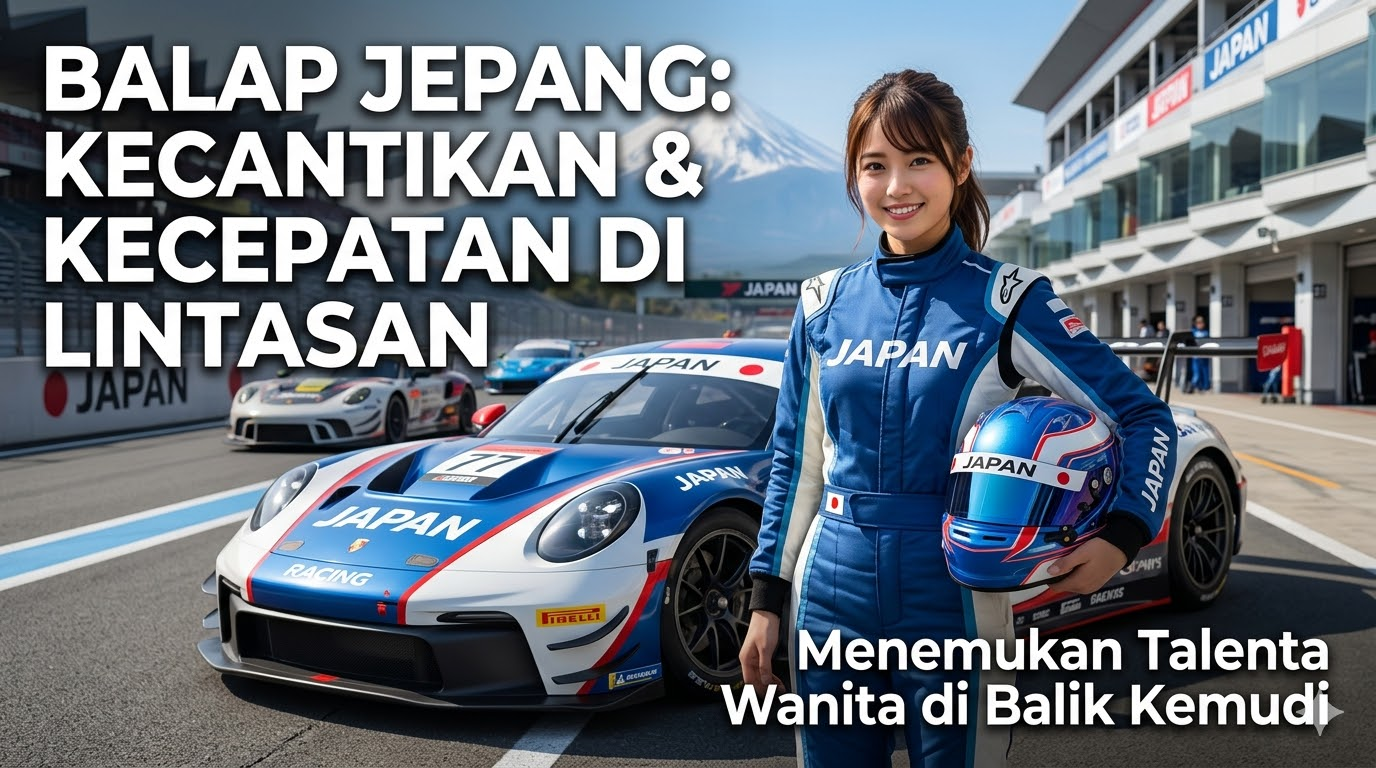
Balap jepang cantik represents a unique fusion of speed, style, and cultural charisma within Japanese motorsport. It highlights not only the high-octane thrill of racing but also the elegance and appeal of race queens and female racers who grace the tracks. Fans are captivated by both the performance of the vehicles and the visual spectacle created by these women, making each event a combination of adrenaline and aesthetic allure. This duality has made balap jepang cantik a fascinating cultural phenomenon over the years.
The popularity of balap jepang cantik extends beyond mere appearances. It symbolises professionalism, charm, and media appeal in Japanese motorsport. By bringing glamour to MotoGP, Super GT, and other racing events, it enhances fan engagement and creates a lasting impression on spectators. From the paddock to the podium, the presence of race queens and skilled female racers elevates the racing experience, blending tradition, performance, and visual culture seamlessly.
Balap Jepang Cantik: Understanding the Concept
Balap jepang cantik is a term that embodies both the excitement of high-speed racing and the refined aesthetic of Japanese race culture. It primarily refers to race queens who are professionally involved in promoting teams, cars, and events. These women represent more than beauty; they are cultural ambassadors who bring energy, style, and a sense of glamour to the sport, enhancing the overall spectator experience.
This concept also reflects a broader cultural appreciation in Japan for blending performance with visual artistry. Balap jepang cantik showcases how racing events can be both thrilling and visually captivating. Fans often celebrate the synergy of speed and style, enjoying not just the vehicles on the track but also the charisma, fashion, and poise of those who bring life to the racing arena. This unique combination continues to attract domestic and international attention.
History of Race Queens in Japanese Motorsport
The history of race queens in Japan stretches back to the 1980s, when motorsport teams began employing models to promote vehicles and attract media attention. These women initially served marketing purposes, but over time, they became icons in the racing world. Balap jepang cantik evolved as race queens started influencing the culture surrounding motorsport, adding glamour and prestige to each event while creating a strong connection with fans.
Race queens have played a key role in shaping the identity of Japanese motorsport. Through media appearances, magazine features, and event promotions, these women became synonymous with elegance, professionalism, and the excitement of racing. Balap jepang cantik is a testament to how aesthetic presentation can amplify the appeal of a sport, blending marketing, culture, and entertainment to elevate motorsport to an art form.
The Glamour and Aesthetics of Balap Jepang Cantik
The aesthetics of balap jepang cantik are carefully curated, with uniforms, styling, and presentation designed to captivate audiences. Race queens often wear outfits that reflect team branding while maintaining elegance and sophistication. Their visual appeal plays a critical role in drawing attention to the event and enhancing the atmosphere of the racetrack. Photography and media coverage further amplify their impact, creating memorable moments for fans.
Balap jepang cantik is not limited to appearances alone. The presence of race queens adds a narrative element to racing, transforming each event into a spectacle of charm and excitement. Their professionalism, poise, and engagement with fans contribute to the overall experience, making Japanese motorsport distinctive. By combining visual beauty with energy and interaction, balap jepang cantik has become an essential aspect of racing culture.
Famous Japanese Female Racers and Talent
Balap jepang cantik extends beyond promotional figures to include professional female racers who compete at the highest levels. These women demonstrate exceptional skill, courage, and strategy on the track, challenging traditional gender roles in motorsport. Their participation highlights the balance between athletic talent and cultural aesthetics, showing that racing excellence and visual appeal can coexist in harmony.
Prominent racers have gained recognition for both their achievements and contribution to the glamour of Japanese motorsport. Their skillful performance complements the presence of race queens, creating a dynamic racing environment. Balap jepang cantik celebrates these women not only for their beauty but also for their competence and influence, inspiring a new generation of racers and reinforcing the appeal of Japanese motorsport on a global stage.
Iconic Cars, Tracks, and Racing Moments
Japanese motorsport is known for legendary tracks like Motegi and Suzuka, where balap jepang cantik comes alive. The presence of iconic JDM cars, including the Supra and Skyline, adds to the spectacle, combining engineering excellence with visual grandeur. Fans eagerly anticipate events where racing skill and aesthetic presentation intersect, creating unforgettable experiences on and off the track.
Memorable moments often highlight the interplay between racers, race queens, and cars. Balap jepang cantik captures these events in a way that emphasizes excitement, elegance, and cultural significance. From podium celebrations to the paddock interactions, this unique blend of performance and beauty creates a vibrant atmosphere that attracts fans from Japan and around the world, establishing Japanese motorsport as a global cultural phenomenon.
Balap Jepang Cantik Beyond Japan
The influence of balap jepang cantik reaches international audiences. Overseas exhibitions, fan communities, and social media have embraced the glamour associated with Japanese race queens. This global fascination has helped spread Japanese motorsport culture worldwide, inspiring cosplay, photography, and fan engagement outside Japan.
Japanese racing culture continues to shape global perceptions of motorsport by blending speed, aesthetics, and charisma. Balap jepang cantik demonstrates how elegance and performance can create an appealing cultural export. By combining high-speed thrills with visual storytelling, it has captured the imagination of fans everywhere, reinforcing Japan’s reputation for innovation, style, and racing excellence.
Conclusion
Balap jepang cantik embodies the perfect harmony of glamour, skill, and culture in Japanese motorsport. From race queens to professional female racers, it highlights the elegance and professionalism that make these events extraordinary. Fans are drawn not only to the thrill of racing but also to the captivating presence of those who bring visual allure to the tracks. This combination continues to define the charm and international appeal of Japanese motorsport.

